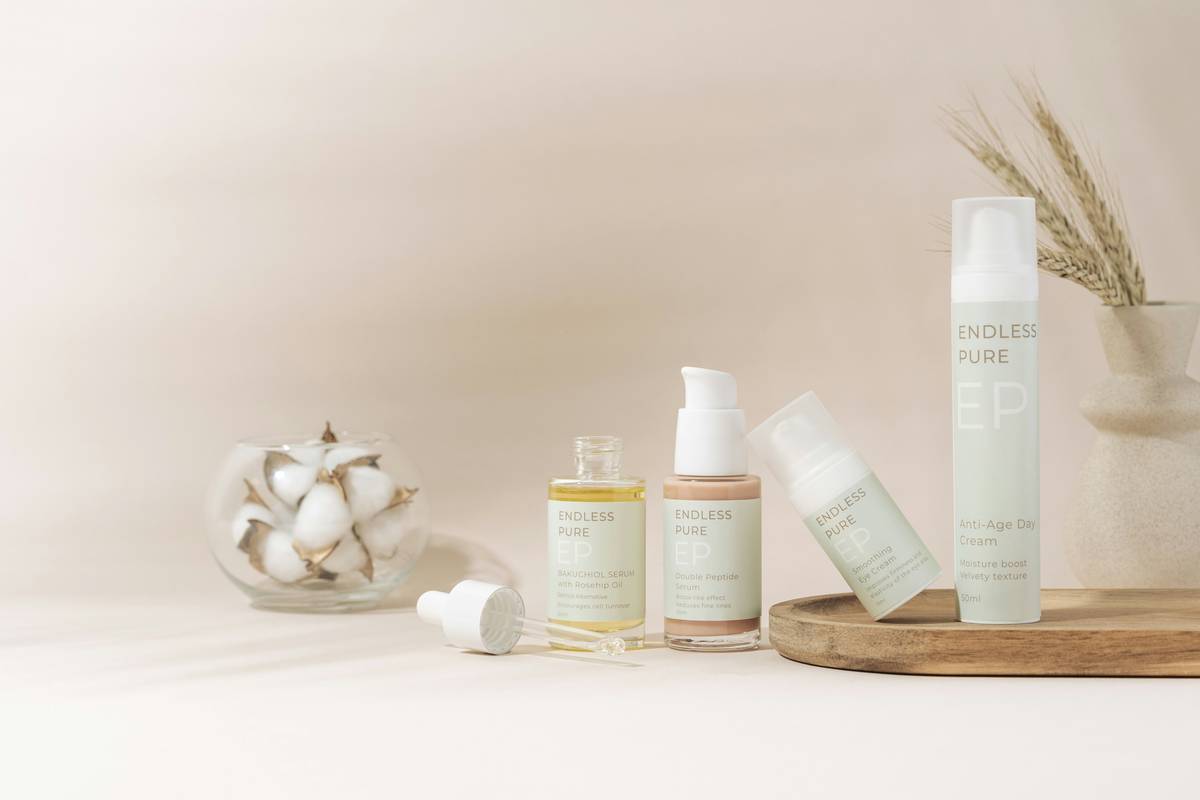
If your makeup drawer looks like a glitter explosion met a mascara avalanche, you’re not alone. I once lost my favorite eyeliner for three weeks—only to find it lodged behind a half-empty bottle of setting spray, coated in dried foundation. The emotional toll? Real. The financial waste? Even realer. That’s why a smart beauty organizer solution isn’t just about tidiness—it’s about saving time, money, and sanity in your daily routine.
Table of Contents
- Why Makeup Chaos Costs You More Than You Think
- Your Step-by-Step Beauty Organizer Setup
- 5 Best Practices for Long-Term Organization Success
- Real Results: From Messy Vanity to Streamlined Sanctuary
- Frequently Asked Questions
Key Takeaways
- A functional beauty organizer reduces product waste and doubles morning efficiency.
- Modular, adjustable trays outperform fixed compartments for diverse collections.
- Regular decluttering (every 3 months) prevents “zombie products” from taking over.
- Your ideal beauty organizer solution aligns with your usage habits—not Pinterest aesthetics.
Why Makeup Chaos Costs You More Than You Think
According to a 2023 survey by the Statista, the average U.S. consumer owns 42 beauty products—but uses only 18 regularly. The rest? Buried under expired lipsticks and broken compacts. This clutter doesn’t just frustrate; it leads to duplicate purchases, cross-contamination, and shortened product shelf life. In fact, the FDA notes that improper storage accelerates bacterial growth in creams and liquids—posing real health risks (U.S. Food & Drug Administration).
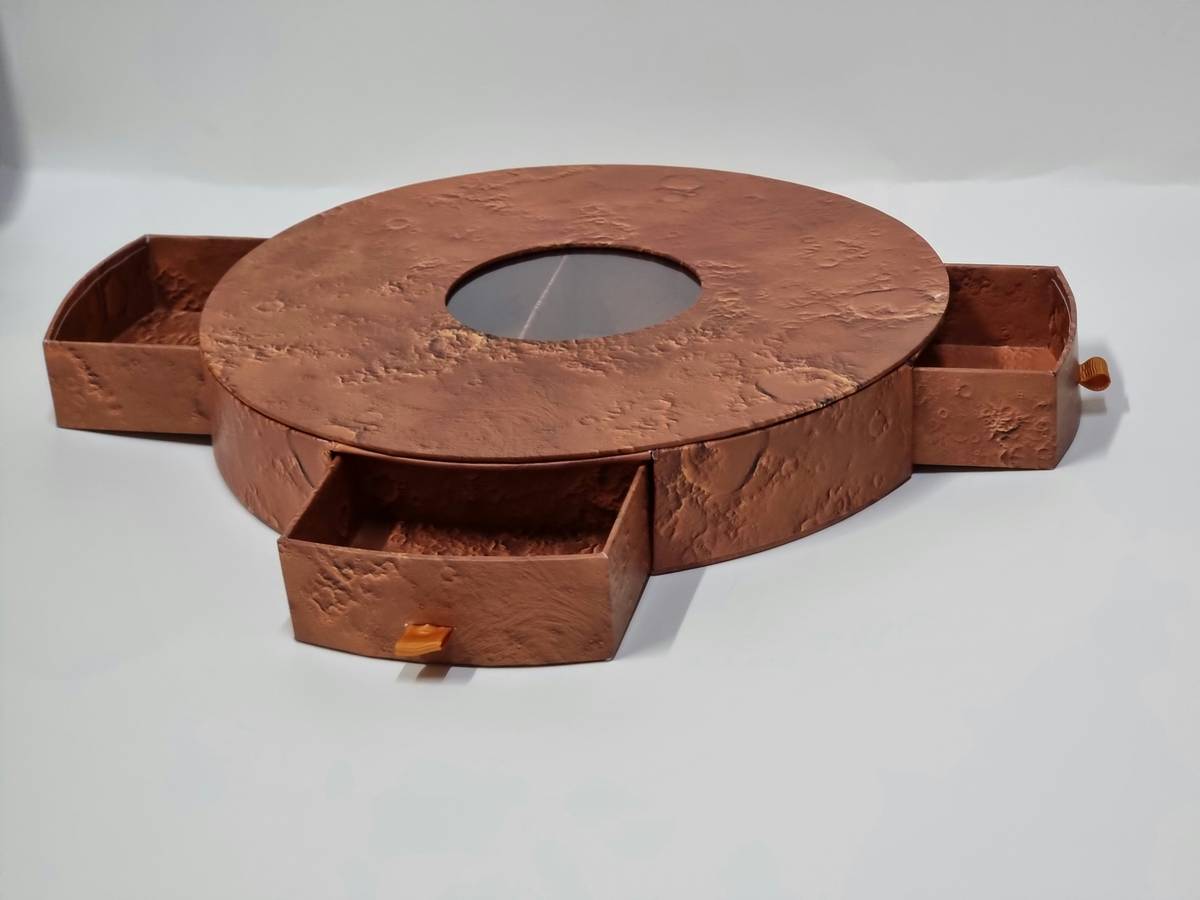
I learned this the hard way after contracting a minor eye infection from using a contaminated mascara I’d forgotten existed. My vanity wasn’t messy—it was dangerous. A thoughtful beauty organizer solution isn’t luxury; it’s hygiene.
Your Step-by-Step Beauty Organizer Setup
1. Audit & Purge Ruthlessly
Empty everything. Toss anything expired (most liquid products last 6–12 months), dried out, or unused for over a year. Be brutal. That limited-edition palette you “might use someday”? Recycle or donate it.
2. Categorize by Function & Frequency
Group items into: daily essentials (foundation, concealer), tools (brushes, sponges), weekly (masks, exfoliants), and special occasion (glitter, bold liners). Prioritize easy access for daily items.
3. Choose Adjustable Storage
Avoid rigid boxes. Opt for stackable acrylic units with removable dividers—like those endorsed by professional makeup artists for their flexibility. Your collection evolves; your storage should too.
4. Vertical > Horizontal
Use tiered organizers or wall-mounted shelves to maximize vertical space. Deep drawers hide products; open, elevated trays keep everything visible and reachable.
5. Label Everything
Even if it seems obvious. Tiny labels prevent misplacing your brow gel in the nail polish section again.
5 Best Practices for Long-Term Organization Success
- Clean monthly: Wipe trays with a mild disinfectant. Brushes harbor bacteria even when stored neatly.
- Rotate seasonally: Store summer bronzers away in winter to reduce visual noise.
- Invest in brush holders: Standing brushes upright preserves bristle shape better than laying them flat.
- Avoid “cute but useless” containers: Those tiny ceramic pots look adorable but hold one lipstick—and cost $25. Practicality wins.
- Track new purchases: Add items to your organizer immediately—don’t let them pile up “temporarily.”
Real Results: From Messy Vanity to Streamlined Sanctuary
Sarah K., a freelance MUA in Austin, reduced her morning routine from 22 minutes to 9 after implementing a modular beauty organizer solution. She reported a 40% drop in repurchased duplicates within six months. Similarly, a small beauty boutique in Portland saw a 25% increase in accessory sales after displaying products in clear, labeled organizers—proof that visibility drives both personal and commercial efficiency.
At SnapzSnapz, we’ve refined our approach through years of trial, error, and client feedback. Our team lives this daily—which is why we built our recommendations around real human behavior, not magazine spreads. Learn more about our journey on our About Us page.
Frequently Asked Questions
What’s the best material for a makeup organizer?
Clear acrylic is ideal—it’s non-porous (resists stains and bacteria), durable, and lets you see contents instantly. Avoid wood (absorbs moisture) and cheap plastic (scratches easily).
How often should I reorganize my makeup?
Every 3 months. Seasons change, products expire, and routines evolve. Mark it on your calendar like a dentist appointment.
Can a beauty organizer solution help with small spaces?
Absolutely. Wall-mounted magnetic strips for metal compacts, over-the-door caddies, and drawer inserts transform tiny vanities. Space isn’t the issue—strategy is.
Are expensive organizers worth it?
Not always. Focus on adjustability and durability, not brand names. A $15 adjustable acrylic set often outperforms a $50 fixed bamboo box.
Where can I get personalized advice?
We love helping you find your perfect fit! Reach out via our Contact Us page—we’ll respond within 24 hours. And yes, we respect your privacy: read our full Privacy Policy anytime.
Is “beauty organizer solution” just marketing fluff?
No—if implemented correctly. It’s a system designed to reduce decision fatigue, prevent waste, and protect skin health. Done right, it pays for itself in saved products and stress reduction.
Remember: organizing isn’t about perfection. It’s about creating a space where your beauty ritual feels effortless—not exhausting. So go ahead: rescue that lost eyeliner, ditch the zombie products, and build a beauty organizer solution that works as hard as you do. Because you deserve clarity—on your face and in your drawer.